I found this article that gives pictures and details about what nutrition experts eat for breakfast. We've all heard that it's the most important meal of the day, but what kind of foods should we be eating? There are many health benefits to eating breakfast, such as being less-likely to become obese and possibly having a lower risk of obtaining cardiovascular disease, so it is clearly important to make this meal a priority. I personally suggest planning ahead of time what you are going to eat in the mornings. When you are busy and have a tight schedule to stick to, you will most always pick a "quick-fix" option that is not as healthy as a quality breakfast. Yet if you plan ahead, it will be much easier to have a healthy breakfast to start your day off the right way. Enjoy!
CLICK HERE FOR ARTICLE
Sunday, April 14, 2013

Saturday, April 13, 2013
The Paleo Diet and Red Meat
The Paleo diet, or the "Caveman" diet, is a growing way of eating in the health world today. This diet eliminates processed foods, whole grains, and dairy products in order to return to the way our ancestor's ate. While there are many good things about this diet that should be adapted into everyone's lifestyle, there are also some negative aspects. The biggest downfall, in my opinion, is the increased consumption of red meats.
While red meats are generally acceptable in moderation, there has been countless research that links red meat to cardiovascular disease or the risk of obtaining it. A more recent study conducted shows a new link between heart disease and red meat. This study shows a strong correlation between a diet rich in red meat and atherosclerosis. You can click here to read the full article.
I'm not saying that Paleo should be completely avoided, because like I stated before, it does have some great aspects. Just make sure that you continue to be cautious of the foods you consume, especially when it comes to red meat.
While red meats are generally acceptable in moderation, there has been countless research that links red meat to cardiovascular disease or the risk of obtaining it. A more recent study conducted shows a new link between heart disease and red meat. This study shows a strong correlation between a diet rich in red meat and atherosclerosis. You can click here to read the full article.
I'm not saying that Paleo should be completely avoided, because like I stated before, it does have some great aspects. Just make sure that you continue to be cautious of the foods you consume, especially when it comes to red meat.
Sunday, March 31, 2013
Salt
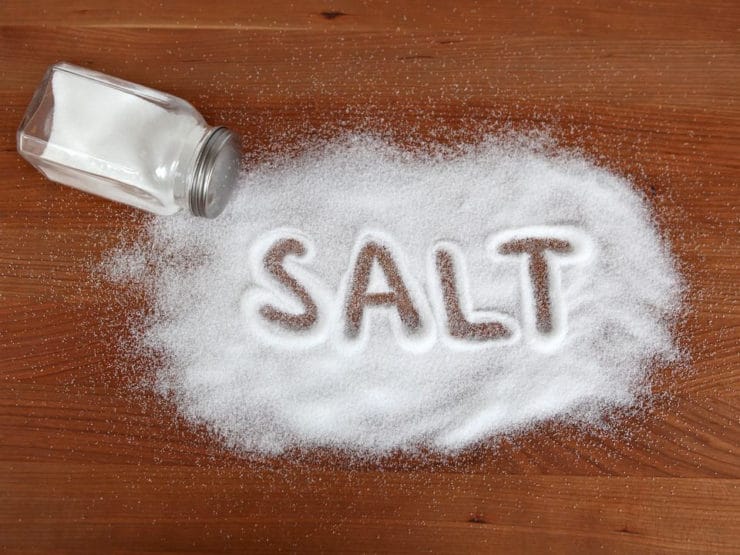
If you've taken a nutrition class or looked at having a heart-healthy diet in detail, you've most likely heard the debate about salt intake. It is estimated that the average American consumes around 3,400 mg of sodium every day- much more than the 2,000 mg per day that is recommended.
Here are some quick and easy tips to lower your sodium consumption:
- Don't add extra salt when cooking meals
- Use herbs and spices to add flavor to food
- Buy fresh vegetables instead of canned vegetables
- Limit your intake of processed foods
- Read nutrition labels and choose "low-sodium" options
Tuesday, March 26, 2013
How Many Calories?
I found this short video on how the amount of calories a manufacturer tells you are in a product, may not be the legitimate amount you are consuming. Isn't it crazy to think that by you trusting different manufacturers you may not be counting your calories correctly? I didn't realize, until today, that the FDA actually allows a 20% margin for packaged food's nutrition labels. Take a look at this video and be amazed at the calorie discrepancy he discovered...
I couldn't agree more with the author saying that if the health department is going to require businesses to display nutritional information, why not also enforce its accuracy?
What do you think?
I couldn't agree more with the author saying that if the health department is going to require businesses to display nutritional information, why not also enforce its accuracy?
What do you think?
Saturday, March 16, 2013
The Obesity Epidemic
I don't think it's news to anyone that obesity in America has become more than a small problem. It has grown into an epidemic that is hard to comprehend. How in the world did our country get so fat?
I found this blog that lists 12 statistics about the rising of obesity in our country. It compares different states now to where they were in the past. The blog then lists suggestions of what should be done in order to start tackling this problem. I couldn't agree more with what they say. Click the link below and be amazed at our country's weight...
CLICK HERE FOR BLOG
I found this blog that lists 12 statistics about the rising of obesity in our country. It compares different states now to where they were in the past. The blog then lists suggestions of what should be done in order to start tackling this problem. I couldn't agree more with what they say. Click the link below and be amazed at our country's weight...
CLICK HERE FOR BLOG
Subscribe to:
Comments (Atom)